
The short answer
There's no single best company. There's a best fit for you. Huge, messy, multi-team programs? EPAM, Thoughtworks, Globant and Endava come up a lot. A mid-sized business that wants focused delivery usually ends up looking at Itransition, ScienceSoft, Intellectsoft or Simform. Need extra engineering capacity, or help shaping the product itself? Try BairesDev and Netguru. Budget, industry and project size should make the call.
How I put this list together
Plainly: it's an editorial shortlist built from public information. It isn't a lab test, and it isn't pay-to-play. I picked established firms that focus on software engineering, and I tried to cover different project sizes and different ways of working. I left out review scores on purpose. They move around, and they're easy to cherry-pick. Check Clutch, GoodFirms and G2 yourself, and read the lukewarm reviews. Those tell you more.
Big, enterprise-scale programs
These suit work where scale, governance and security matter as much as the code does.
EPAM Systems. Founded in 1993, headquartered in Newtown, Pennsylvania, with a workforce in the tens of thousands. It works across financial services, healthcare and life sciences, retail, travel and high-tech. Good for large organizations that need serious delivery capacity. The catch with any firm this size is simple: a smaller budget can feel like a smaller priority. Ask exactly who your day-to-day team will be.
Thoughtworks. Started in Chicago in 1993. By its own count it now has over 10,000 people in 47 offices across 18 countries. Known for agile practice, engineering craft and the Technology Radar, and named a Visionary in Gartner's 2024 Magic Quadrant for Custom Software Development Services. Pick it when the problem is knotty and you want a partner who'll push back on your plan. Expect a consultative style and premium pricing.
Globant. Born in Argentina in 2003, now NYSE-listed and working in 20-plus countries. It splits its work into "Studios" for things like AI, design and digital media. A fair choice for big brands that want product, design and engineering in one place. With a studio model, though, find out which studio will own your project.
Endava. Founded in London in 2000, also NYSE-listed. Its real depth is in payments and financial services, plus technology, media and telecom, and it offers digital engineering, data and AI, and managed services. Strong for compliance-heavy work or nearshore capacity. If your industry sits outside its core verticals, push harder on references.
Mid-sized specialists
For plenty of businesses this is the sweet spot. You get real capability without being a tiny account at a giant firm.
Itransition. Around since 1998, with a long run of healthcare, finance, insurance and retail work. Steady, full-cycle, good at stitching together several enterprise systems at once. Ask about minimum engagement size, since firms like this can suit bigger budgets better.
ScienceSoft. Founded in 1989 and based in McKinney, Texas, which makes it one of the old hands on this list. Often linked with custom CRM and ERP projects and with compliance-heavy sectors like healthcare and banking. Process is its strength. If you just want a quick prototype, that same process can feel slow.
Intellectsoft. Started in Kyiv in 2007 and now has US offices. It positions itself around enterprise software, AI and cloud migration, so it's a natural option if you're modernizing aging platforms. Ask for references you can actually call, and confirm team size and locations yourself.
Simform. Headquartered in Orlando, Florida, with development centers in India. It focuses on cloud, data, AI and product engineering, and its Clutch profile lists a $25,000 minimum project size. Good for SaaS products and cloud platforms. Bring a clear product vision, because engineering-led firms execute better than they define.
Flexible capacity and product-led work
BairesDev. A nearshore provider founded in 2009, pulling engineers from across Latin America. The appeal is scale and time-zone overlap for North American clients. One question matters most: are you buying a staffed team, or a project someone else is accountable for? Those aren't the same thing.
Netguru. Founded in Poland in 2008. It mixes product design with development and is associated with fintech, healthtech and retail. Handy when you want help shaping the product, not just building a spec somebody handed over. Design-led firms can suit early product work better than heavy back-office integration.
What custom software costs in 2026
It depends. A lot. And most prices online come from people who sell development, so take everything here as ballpark.
What pushes the number up or down:
- Scope. More user roles, features and workflows mean more build and testing.
- Who and where. Rates swing widely by region and seniority.
- Discovery and design. Proper discovery costs something early and saves plenty later.
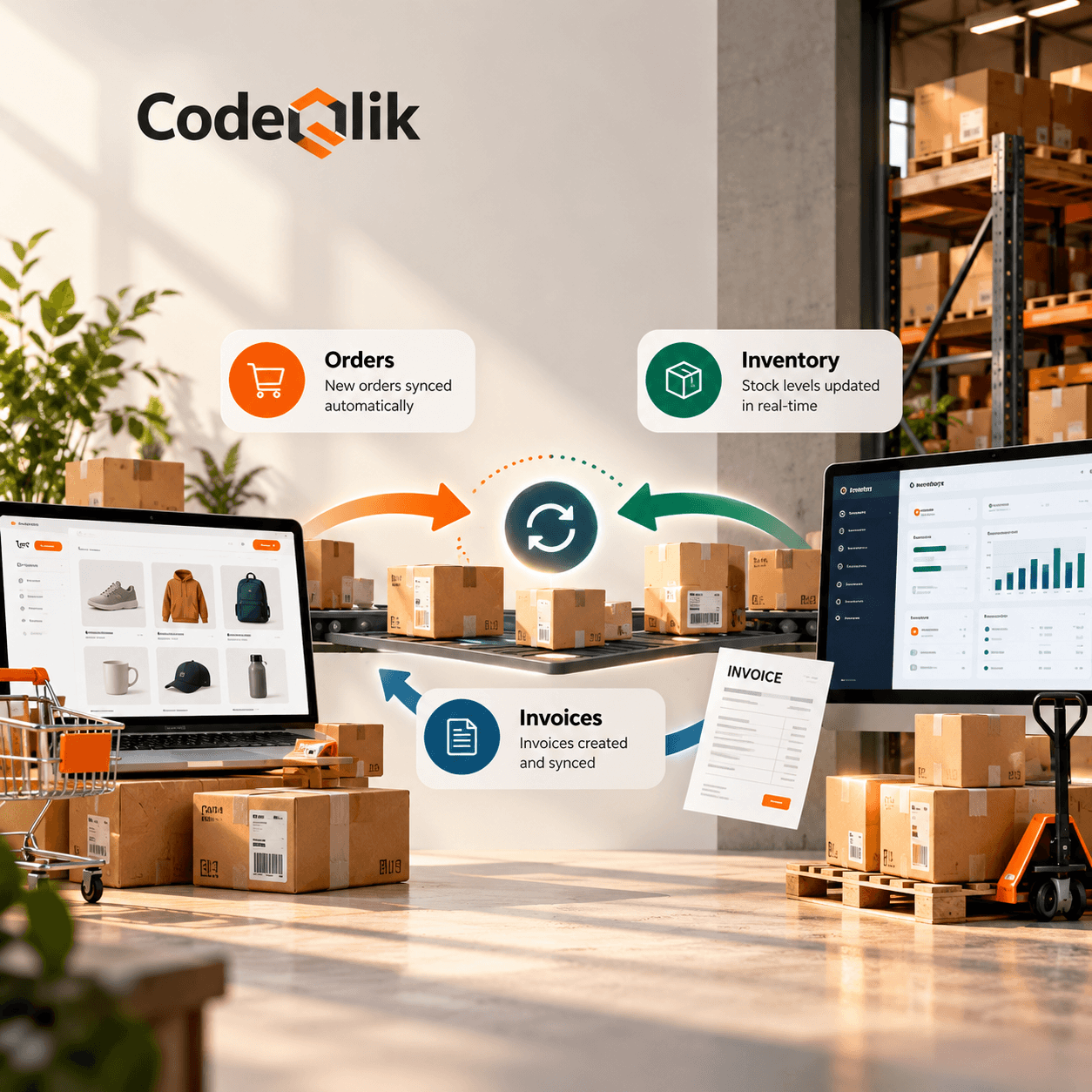
- Integrations and data migration. Connecting your existing CRM, ERP or payment tools is where budgets love to stretch. If that's your main problem, our custom software integration page explains what's involved.
- Security and compliance. Regulated industries add requirements and extra testing.
- Everything after launch. Support, hosting and updates don't stop on go-live day.
Vendor guides often put a small, focused tool at roughly $25,000 to $60,000, a mid-sized business platform at $60,000 to $150,000, and enterprise systems at $150,000 to $500,000 or more. Those numbers usually assume a defined scope, and they often skip maintenance, hosting and your own team's time. Use them to sanity-check a quote, not to set a budget.
Then there's how you pay. Fixed price works when scope is clear and stable, but change requests get pricey and a thin discovery phase can hide risk in the quote. Time and materials suits projects that will evolve, as long as someone on your side tracks the spend. A dedicated team makes sense for long-running product work if you already have technical leadership in-house.
Choosing a partner without regret
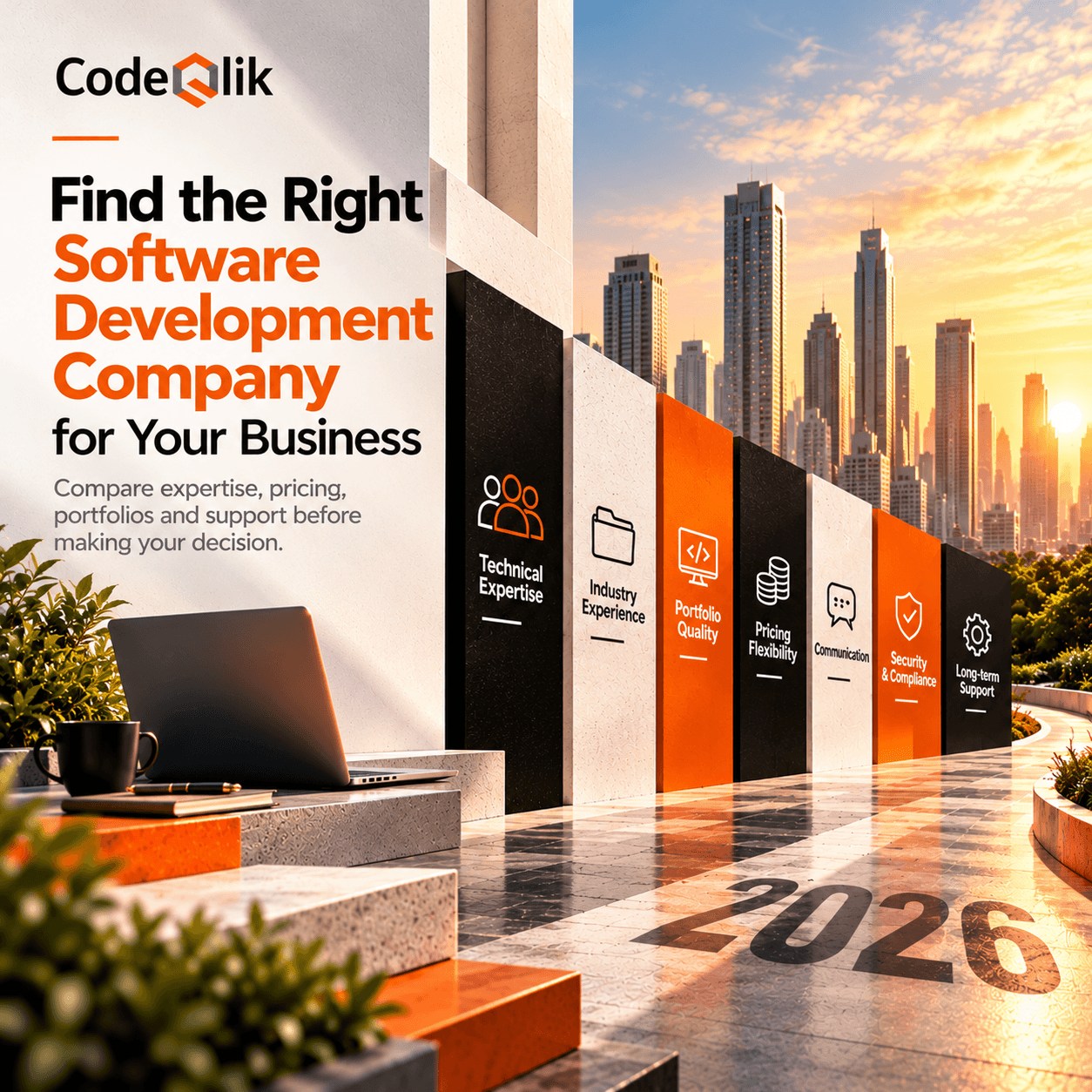
Start with your own problem, not their brochure. Write down what you're fixing, who'll use it, and what success looks like in numbers. Vague briefs get vague quotes.
Next, decide who owns delivery. Some firms scope, build and ship the whole system and stay accountable for the result. Others hand you engineers who work under your direction. Neither is wrong. Mixing them up is the expensive mistake, and if you don't have an internal product lead, you probably want the first kind.
Watch how they handle discovery. The hardest part of custom software is deciding what to build, so a firm that quotes confidently after one call is guessing. Ask for a project similar to yours and a client you can phone. Ask what went wrong, too, not just what went well.
Then the boring questions. Who owns the source code? How is it tested and released? Who supports it afterward? How hard would it be to switch vendors? Their answers tell you more than a portfolio does.
Red flags
Walk away, or at least slow down, if you see these:
- A fixed price after barely any discovery
- A quote far below everyone else's
- Fuzzy answers about who owns the code
- Reluctance to let you talk to past clients
- Senior people in the pitch who disappear after signing
- A portfolio full of mockups and not much that's live
- No plan for support once the project ships
Two or three of those together means keep looking.


Loading comments...