
What Does ERP Actually Mean?
ERP stands for Enterprise Resource Planning.
It is a single system that connects multiple departments of your business.
Instead of using separate software for sales, accounting, HR, inventory, purchasing, manufacturing, customer support, and reporting, ERP brings everything together into one platform.
Think of ERP as the central nervous system of your business.
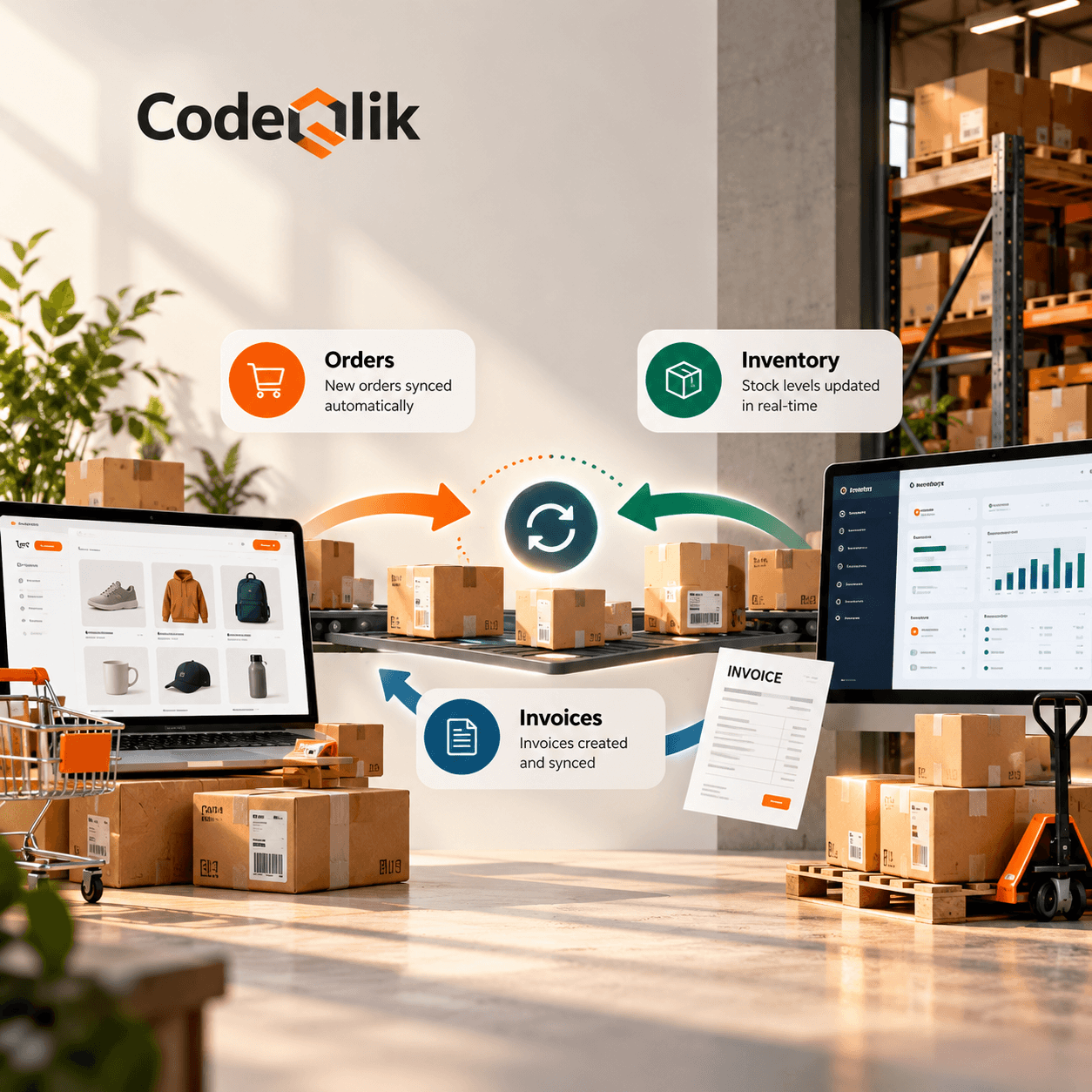
When a sales order is created, inventory updates automatically.
When inventory moves, accounts are updated.
When an employee joins, HR records are synchronized.
When management needs a report, the data is already available.
No manual collection.
No duplicate entries.
No spreadsheet chaos.
How Do You Know You Need an ERP?
Most companies don't search for ERP.
They search for symptoms.
Here are common signs that indicate your business may already need ERP software.
You Have Too Many Excel Sheets
If every department maintains separate spreadsheets and nobody knows which file is the latest version, you are already facing operational inefficiency.
Reports Take Days to Prepare
When management asks for numbers and employees spend hours collecting data from multiple systems, ERP can solve the problem.
Teams Keep Blaming Each Other
Sales blames inventory.
Inventory blames purchasing.
Purchasing blames accounts.
Accounts blames operations.
Usually, the issue is not people.
The issue is disconnected data.
Customer Complaints Are Increasing
Missed orders, delayed deliveries, incorrect invoices, and poor communication often indicate process gaps that ERP can help eliminate.
You Are Hiring People Just to Manage Data
If employees spend most of their time updating sheets, creating reports, and moving information between systems, automation can save significant costs.
CRM vs HRMS vs ERP
Many business owners get confused here.
CRM manages customer relationships and sales activities.
HRMS manages employees, attendance, payroll, and leave management.
Accounting software manages finances and bookkeeping.
ERP connects all of them together.
That is the difference.
A CRM solves one department.
An HRMS solves one department.
An ERP solves the entire business workflow.
Which ERP Is Right for Your Business?
Small Businesses
Recommended when:
• 5-50 employees
• Basic inventory
• Simple accounting
• Growing operations
Good options include ERPNext and Odoo.
Trading Businesses
Need modules for:
• Sales
• Purchase
• Inventory
• Accounting
• Vendor management
Manufacturing Companies
Need modules for:
• Production planning
• Bill of Materials
• Work orders
• Quality control
• Procurement
Service Businesses
Need modules for:
• Project management
• Employee utilization
• CRM
• Billing
• Customer support
Multi-Location Businesses
Need centralized visibility across branches, warehouses, teams, and finances.
ERP becomes essential rather than optional.
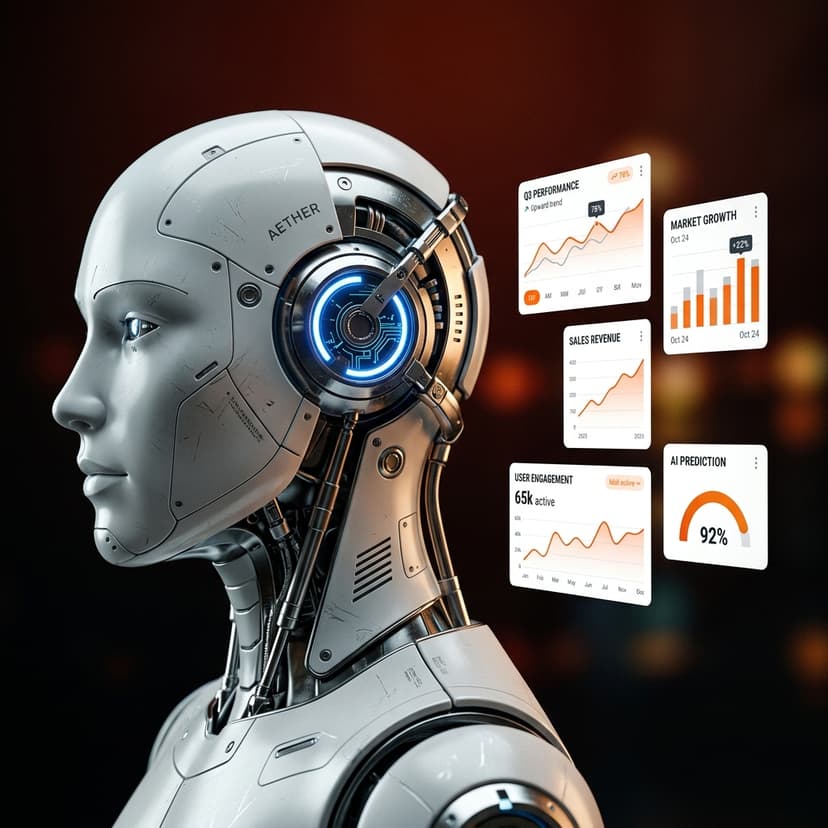
Why ERP Is Becoming More Important in the AI Era
Artificial Intelligence is only as good as the data it receives.
If your business data lives in:
• Excel files
• WhatsApp chats
• Emails
• Multiple software systems
AI cannot provide meaningful insights.
Modern ERP systems become the foundation for:
• AI reporting
• Predictive analytics
• Demand forecasting
• Automated customer support
• Financial forecasting
• Intelligent business dashboards
The future of AI-powered businesses starts with organized data.
And organized data starts with ERP.
Final Thoughts
Many businesses believe they have a people problem.
Others believe they have a software problem.
Most actually have a systems problem.
Before hiring more staff, buying more software, or creating more reports, ask yourself one question:
Is my business operating from one source of truth?
If the answer is no, it may be time to explore ERP.
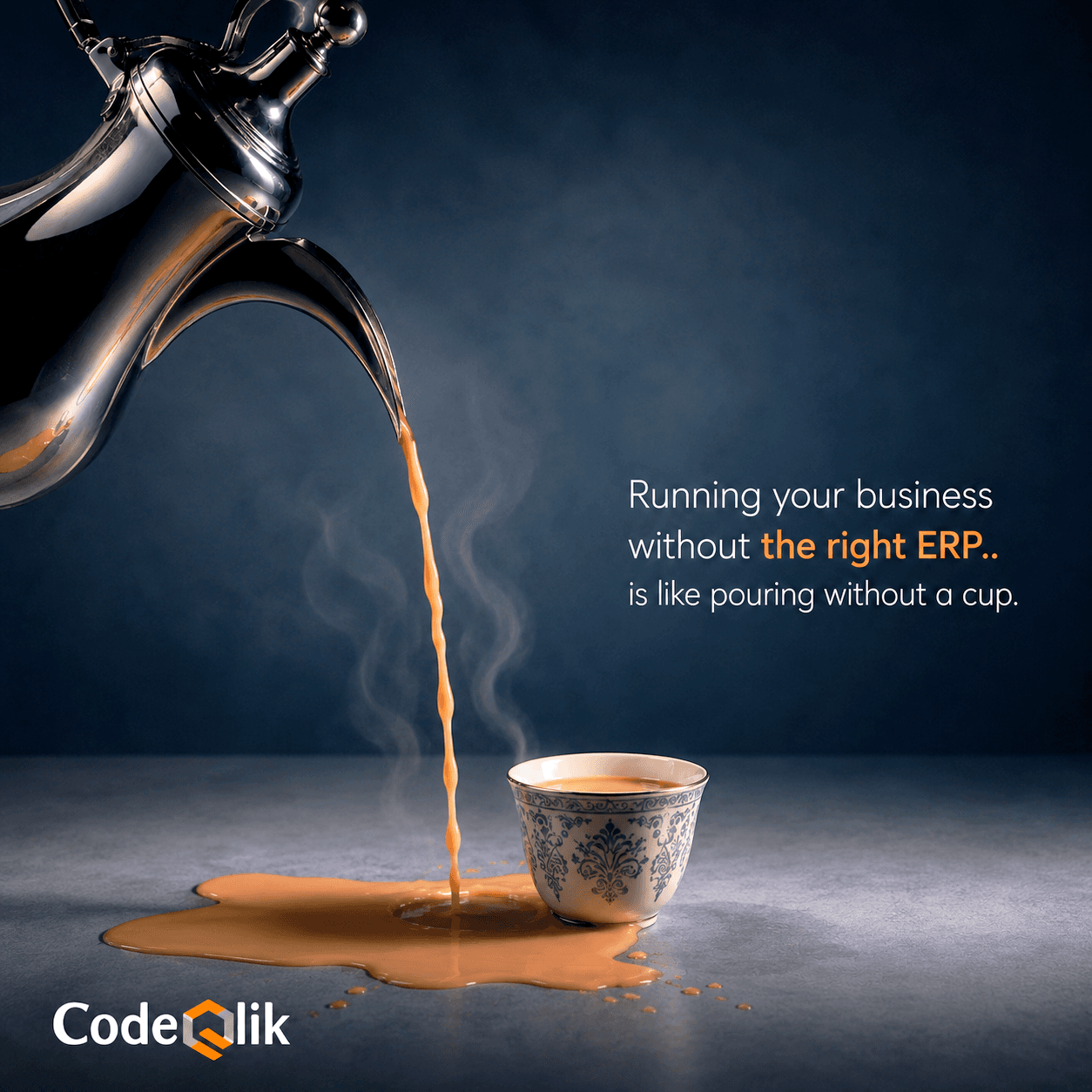
Because running a business without the right ERP is like pouring without a cup.
No matter how much effort goes in, valuable resources keep getting lost along the way.
Loading comments...